Bling 101: How Gemstone Education Can Help You Sparkle and Shine
Gemstones are mostly natural minerals that have been used in jewelry for centuries, and each one has its own properties. Knowing the basics helps you choose gemstone jewelry, judge its value and care for it.
Different Types of Gemstones
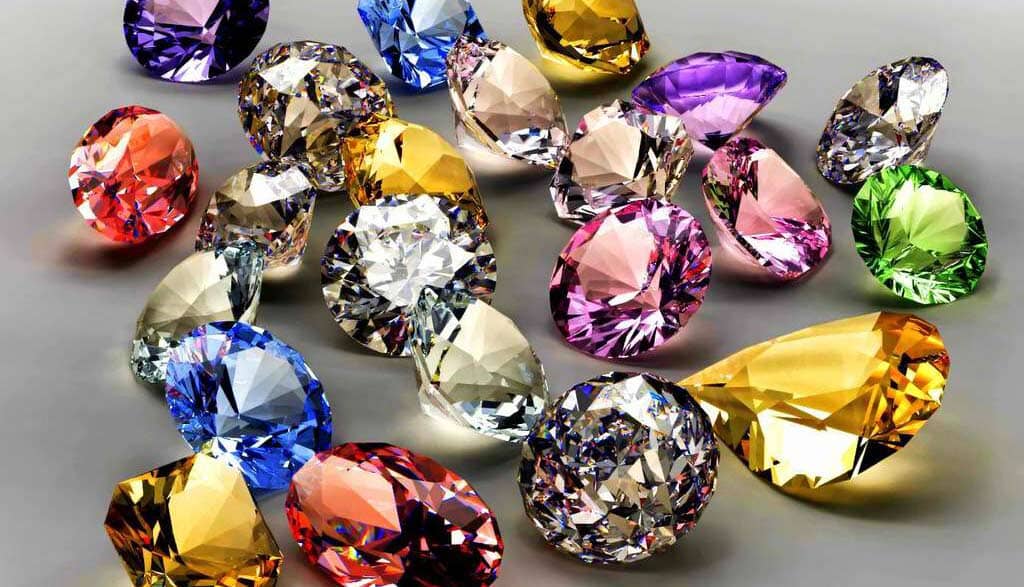
There are numerous types of gemstones available today, each with its unique shapes and colors. The most common categories of gemstones include precious stones, semi-precious, and organic materials. Within each group, you can find several varieties, such as diamond, ruby, emerald, sapphire, amethyst, topaz, opal, and so on. Knowing their characteristics helps when you choose a piece and when you assess its value.
Understanding the 4C's
Diamonds are graded on the 4C's, and colored gemstones are judged on similar factors: Color, Clarity, Cut, and Carat. Color relates to the hue of the stone, from colorless to any range of colors, including rare and sought-after hues. Clarity refers to how free the stone is of inclusions and blemishes. Cut is about how the stone is shaped and faceted, which affects how it reflects light. Carat refers to the gemstone's weight, and some gems are more expensive per carat than others, based on scarcity.
The Beauty and Symbolism of Gemstones
Many gemstones also carry traditional meanings. Jade has long been associated with power and purity, and some people believe amethyst brings calm. For many buyers, that symbolism is part of choosing a stone.
Caring for Your Gemstones
Taking care of your gemstone jewelry is essential to maintain its beauty and longevity. Gemstones react differently to light, heat and other conditions, and some can fade or crack. Keep them out of strong sunlight and away from sudden temperature changes, and clean them gently the way your jeweler recommends.
Finding the Right Gemstone Jewelry for You
Choose a stone by color first, then check clarity, cut and carat weight against your budget. A small colored stone suits everyday wear, while a larger one works for formal events.
Before you buy, ask whether a stone is natural, lab-created or treated.