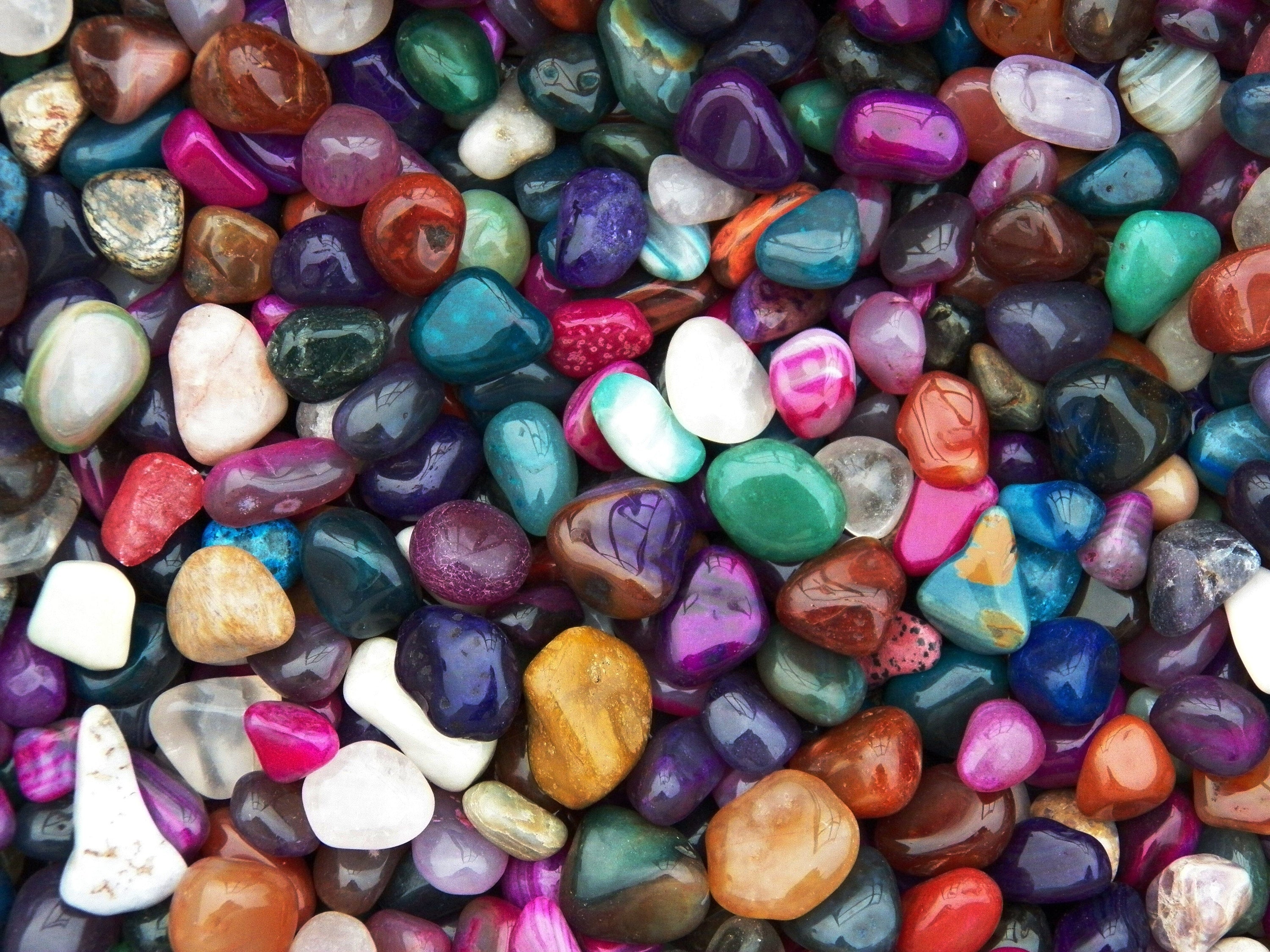
Unearth the Mysteries: An Introduction to Gemstone Education
People have used and traded gemstones for centuries. This guide covers the basics for anyone buying gemstone jewelry or curious about the stones: the main types, the quality factors that set price, and how to store them.
Gemstone basics
Types of Gemstones
The first step to understanding gemstones is knowing what types there are. There are four main types of gems: precious stones (such as diamonds, rubies, sapphires, and emeralds), semi-precious stones (such as amethyst, tourmaline, aquamarine, and garnet), organic gems (such as coral, pearls, and amber), and synthetic gems (man-made gems). Each type has its own properties, which affect how it is used in jewelry.
Gemstone Quality
Several quality factors affect a gemstone’s price. These factors include color, clarity, cut/shape, carat weight/size and origin. Color is often the biggest factor in a colored stone’s value. Clarity refers to the inclusions inside a stone; stones with fewer visible inclusions generally cost more. The cut also affects price, and a well-proportioned, symmetrical cut usually costs more than an uneven one. Carat weight/size also plays a role in determining value; larger stones cost more than smaller ones because they are rarer in nature. Origin can also affect price, since stones from certain sources are known for better material.
Boxes/Cases for Storage
Store gemstones in boxes or cases lined with velvet or suede to keep out dust and prevent scratches. Keep different stones in separate compartments, since harder stones such as diamond and sapphire can scratch softer ones.
When you shop, check first whether a stone is natural or synthetic, then compare color, clarity, cut and carat weight.